Most professionally produced corporate videos in NSW cost between $3,000 and $100,000+, depending on the project’s scope, complexity, and production requirements.
A simple interview or company profile video will cost far less than a multi-day production with multiple locations, motion graphics, and extensive editing.
Key takeaways:
- Most professionally produced corporate videos in NSW cost between $3,000 and $100,000+, with the final investment depending on the project’s scope, complexity and production requirements.
- The cost of a corporate video isn’t just the filming day. Planning, production, editing and project management all contribute to the final budget.
- The best value comes from careful planning, clear communication and choosing a production partner who helps avoid unnecessary revisions, delays and reshoots.
Table of Contents
Why Corporate Video Pricing Varies So Much
Typical Corporate Video Production Costs in NSW
Where Does Your Budget Actually Go?
How To Get More Value From Your Corporate Video Budget
Get the Best Return on Your Investment
Why Corporate Video Pricing Varies So Much
Two organisations might both ask for a corporate video, but that doesn’t mean they’ll need the same production. Every project is different, and so is the work involved.
Project Goals and Audience
It all starts with what you’re trying to achieve.
A video for internal training doesn’t require the same approach as a customer case study, recruitment video or public awareness campaign. The purpose of the video shapes the planning, production and post-production involved.
Production Scope
Some projects can be filmed in a few hours at a single location, while others involve multiple filming days, interviews, locations, and carefully planned sequences. As the scope grows, so does the time required to plan, film, and produce the final video.
Production Requirements
Not every project needs the same level of production. Additional crew members, specialised lighting, professional audio, drone footage, or other equipment may be required depending on what you’re trying to achieve. These requirements influence both the production schedule and the overall budget.
Post-Production
Filming is only one part of the process. Editing, colour grading, sound mixing, captions, motion graphics, licensed music, and feedback rounds all take time. The more polished or customised the final video needs to be, the more work is involved after filming wraps.
Logistics and Project Management
Travel, scheduling, location access, stakeholder approvals, and coordinating interviews all add to the complexity of a project. Good planning keeps everything running smoothly, helping avoid unnecessary delays, reshoots, and unexpected costs.
Typical Corporate Video Production Costs in NSW
The examples below aren’t fixed prices, but they do reflect the investment typically required for different types of corporate video projects.
Simple Corporate Videos ($3,000–$6,000)
Simple corporate videos are often filmed over half a day or a full day at a single location. They’re designed to communicate one clear message and don’t typically require multiple filming days, complex logistics or extensive post-production.
Typical examples include:
- Company profile videos
- Internal communication videos
- CEO or leadership messages
- Talking-head interviews
- Client testimonials
This pricing reflects the typical investment for professionally produced corporate videos of this scope in the Australian market. As with any project, the final cost will depend on your specific requirements.
Mid-Range Corporate Videos ($6,000–$20,000)
This is where projects start to become more involved. Instead of filming a single interview or message, you’re often capturing multiple interviews, filming across different locations and gathering enough footage to tell a broader story.
Typical examples include:
- Customer case study videos
- Recruitment videos
- Brand story videos
- Product demonstration videos
- Event recap videos
- Online Advertisements
There’s usually more happening behind the scenes, too. More planning goes into organising filming, coordinating people and making sure the story comes together in the edit.
It’s also common to produce different versions of the final video for your website, social media or internal communications, which adds to the overall investment.
These figures are based on typical Australian market pricing for professionally produced corporate videos. The final investment will depend on the project’s scope, production requirements and deliverables.
Complex Corporate & Documentary Productions ($20,000–$100,000+)
Some projects can’t be captured in a single day. They might involve travelling between locations, following people over several days or filming an initiative as it unfolds.
That extra time allows for more authentic storytelling, but it also means more planning, filming and post-production.
Typical examples are:
- Documentary-style productions
- Government and council projects
- Community engagement campaigns
- Environmental and conservation stories
- Large corporate initiatives
- Multi-location brand campaigns
These projects also tend to deliver more than one finished video. The footage is often repurposed into shorter edits for social media, internal communications, stakeholder updates or future campaigns, helping organisations get more value from the production.
Where Does Your Budget Actually Go?
It’s easy to focus on the final price, but that doesn’t show where your budget is being invested. A corporate video involves much more than the day of filming, with work taking place before, during and long after the cameras stop rolling.
Pre-Production
Every successful production starts well before the cameras are rolling. This stage is about planning the project, refining the message and making sure everyone is aligned before filming begins.
This often includes:
- Initial consultation
- Creative direction
- Story development
- Interview planning
- Shot list
- Filming schedule
- Location planning
Production
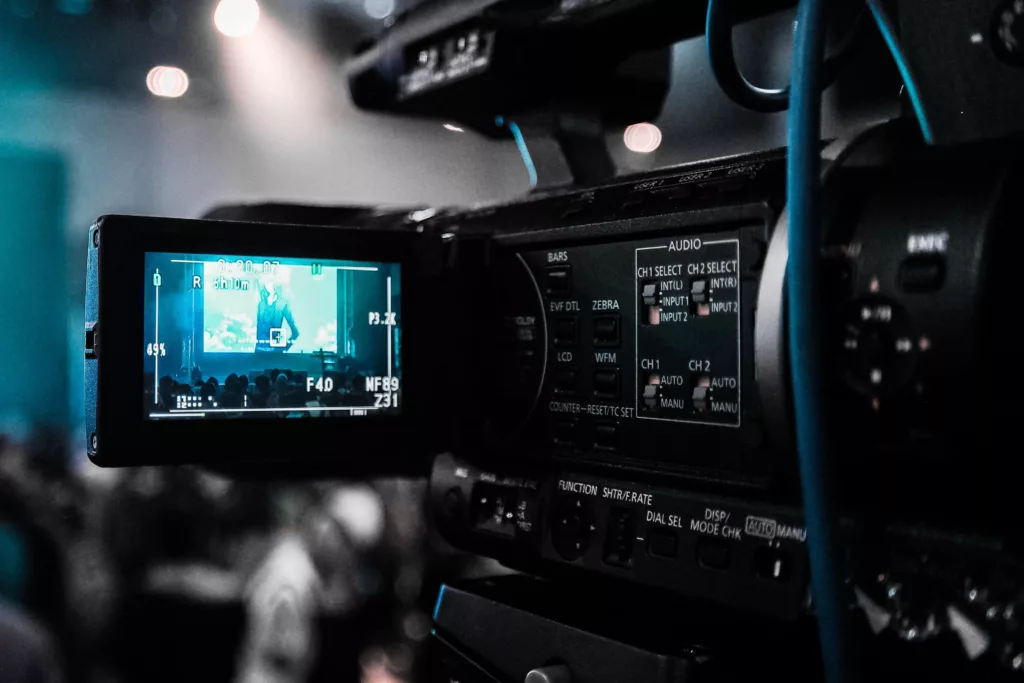
Production is the filming itself. Depending on the project, this may involve a single camera operator or a larger crew working across multiple locations.
This often includes:
- Filming
- Professional cameras and lenses
- Lighting
- Professional audio recording
- Direction during interviews
- B-roll and supporting footage
Post-Production
Once filming is complete, the footage is shaped into the finished story. This is where the pacing, visuals and sound all come together.
This often includes:
- Video editing
- Colour grading
- Sound mixing
- Licensed music
- Motion graphics (where required)
- Captioning
- Revision rounds
- Final delivery
Additional Costs to Consider
Not every quote includes the same extras. Depending on the project, these may be priced separately:
- Additional filming days
- Travel and accommodation
- Drone filming
- Voice-over recording
- Animation or advanced motion graphics
- Extra revision rounds
- Translation or subtitles
- Multiple delivery formats
How to Get More Value from Your Corporate Video Budget
A bigger budget doesn’t automatically produce a better video.
In many cases, the biggest cost isn’t the production itself—it’s poor planning, unclear expectations and changes that could have been avoided from the start.
Start With a Clear Brief
Before planning a shoot, take the time to define what the video needs to achieve. Who is it for? What message should people take away? What action do you want them to take after watching? Having clear answers from the outset helps keep the project focused and reduces unnecessary changes later.
Get Everyone on the Same Page
Corporate videos often involve input from marketing teams, executives and other stakeholders. Bringing everyone into the conversation early helps avoid conflicting feedback once editing begins. It’s much easier to make decisions before filming than after the footage has already been captured.
Don’t Compare Quotes on Price Alone
A lower quote doesn’t always mean better value. One production company might include strategy, project management and multiple rounds of revisions, while another may only include filming and basic editing. Looking beyond the final price makes it much easier to compare what’s actually being offered.
Good Planning Is Cheaper Than Reshoots
Reshoots are rarely caused by cameras or equipment. More often, they’re the result of unclear objectives, missing footage or changes that weren’t identified before filming. Spending more time planning the production usually saves both time and money once the cameras start rolling.
This is the thinking behind James Patrick’s Reverse Project Management approach.
It’s a simple idea: solve the problems before filming, not after. Spending more time planning usually means fewer surprises, fewer revisions and a smoother production from start to finish.
Make Sure the Right People Actually See It
Producing a great video is only part of the process. If it doesn’t reach the audience it was created for, it’s unlikely to achieve its objectives.
How the video will be launched should be part of the conversation from the beginning. Knowing where it will be published and how it will reach your intended audience helps ensure the investment delivers lasting value.
Get the Best Return on Your Investment
The cheapest quote isn’t always the best value. Good planning usually saves more money than cutting corners.
James Patrick’s Reverse Project Management approach focuses on solving problems before filming begins, reducing unnecessary revisions, delays and avoidable costs.
Working directly with the filmmaker also means fewer handovers, clearer communication and faster decisions. Instead of paying for multiple layers of agency management, more of your budget goes into planning, production and the finished video itself.
Frequently Asked Questions
How long does it take to produce a corporate video?
Most corporate video projects take between 2 and 8 weeks from the initial briefing to final delivery. Simpler projects can often be completed sooner, while larger productions involving multiple filming days or approvals may take longer.
Can one day of filming produce multiple videos?
Yes. With good planning, a single filming day can often produce enough footage for multiple videos, such as a company profile, social media clips, leadership messages and internal communications. Planning for multiple deliverables before filming helps maximise your investment.
Should I hire a videographer or a corporate video production company?
It depends on the scope of your project. A standalone videographer may be suitable for straightforward filming, while more complex productions often benefit from planning, project management and post-production support. Some filmmakers, like James Patrick, manage the entire process while offering the flexibility of working directly with the person producing the video.
What information should I prepare before requesting a quote?
The more information you can provide, the more accurate the quote will be. It helps to know your objectives, target audience, preferred filming locations, expected deliverables, timeline and any budget requirements.