Over 90% of businesses use video as part of their marketing. The question is: does it communicate what it needs to?
That’s where things often start to slip, because the story hasn’t been shaped clearly from the start.
Documentary-style video approaches this differently. It focuses on building a clear, human narrative. It’s something an audience can follow and understand.
Why Documentary Video Works Well for Organisations
Not all videos are trying to do the same thing.
Some are there to present information. Others are there to promote something quickly. But when the goal is to help people understand, connect, or see the bigger picture, a different approach is needed.
That’s where documentary-style video tends to work better.
Instead of trying to summarise everything, it focuses on a single, clear story. It gives that story enough space to unfold, so the audience can follow it properly and make sense of it.
This is especially useful for organisations where the work isn’t always easy to explain in a few lines. Programs, community initiatives, and long-term projects often have layers to them. A documentary approach allows those layers to come through without overcomplicating the message.
It also changes how people engage with the content. Rather than being told what something is, they see it through real people, real situations, and real outcomes. That makes it easier to understand and remember.
When Is Documentary Video the Right Approach?
Documentary-style video isn’t always the right fit. But it’s useful when you’re trying to explain something that can’t be reduced to a few lines or a quick promotional piece.
That’s often the case for organisations working across programs, communities, or long-term initiatives. There’s usually more going on beneath the surface – context, people, outcomes – and trying to compress that into a short, polished video can strip away what actually matters.
A documentary approach works better when the goal is to show that depth without making it harder to understand. It’s commonly used when:
- You need to tell the story behind a program or initiative.
- For example, a nonprofit organisation showing how a project works in practice rather than just describing it
- You’re raising awareness for a cause, campaign, or community where context and real experiences matter more than a simple message
- You’re trying to engage stakeholders, partners, or internal teams and need everyone to come away with the same understanding
- You need to show impact for reporting, funding, or advocacy particularly when outcomes are difficult to explain clearly in writing
It’s also useful when the audience needs more than just information. When they need to understand why something exists, how it affects people, or why it matters in a wider context.
In those situations, a more structured, story-led approach tends to hold attention better and make the message clearer.
Documentary vs Corporate Video: What’s the Difference?
There’s often some overlap between documentary-style videos and what people refer to as corporate video.
Most organisations searching for “corporate video” are looking for a way to communicate something clearly such as programs, services, or the work they do more broadly.
The difference is usually in how that message is delivered.
Corporate videos tend to be more direct. They are often structured around key points and messaging, with the goal of presenting information clearly and quickly.
Documentary-style video takes a different approach. Instead of summarising, it focuses on “showing” using real people, real situations, and how things actually unfold.
That works well when the message is simple. But when there’s more depth or context involved, it can end up feeling compressed or unclear.
A corporate video works well when the message is simple and needs to be delivered quickly.
A documentary approach tends to work better when the goal is to build understanding, show context, or help an audience connect with the story behind the work.
How to Tell a Story That Actually Connects
A lot of the difference comes down to how the story is shaped before anything is filmed.
If that part isn’t clear, everything else becomes harder: the filming, the interviews, the editing. You end up trying to fix things later that should have been resolved at the start.
It usually begins with:
What is this actually about?
Not everything needs to be included. In fact, trying to include too much is often what makes a video harder to follow.
The goal is to find the central idea – the one thing the story is really about – and build around that.
From there, it needs a clear structure
A good story doesn’t just present information. It moves from one idea to the next in a way that feels natural.
That might mean starting with a person, a situation, or a problem, and letting the story unfold from there. When that structure is in place, the audience doesn’t have to work to understand it.
Clarity matters just as much as tone
It’s easy to lean too far in one direction: either too dry and informational, or too focused on emotion without enough context.
The balance sits somewhere in between. The audience needs to understand what they’re seeing, but also feel why it matters.
And ultimately, it has to mean something to the audience
That doesn’t come from telling them directly. It comes from showing real people, real situations, and letting the story speak for itself.
When that’s done well, people don’t just watch it. They understand it, remember it, and are more likely to act on it.
The Documentary Video Production Process
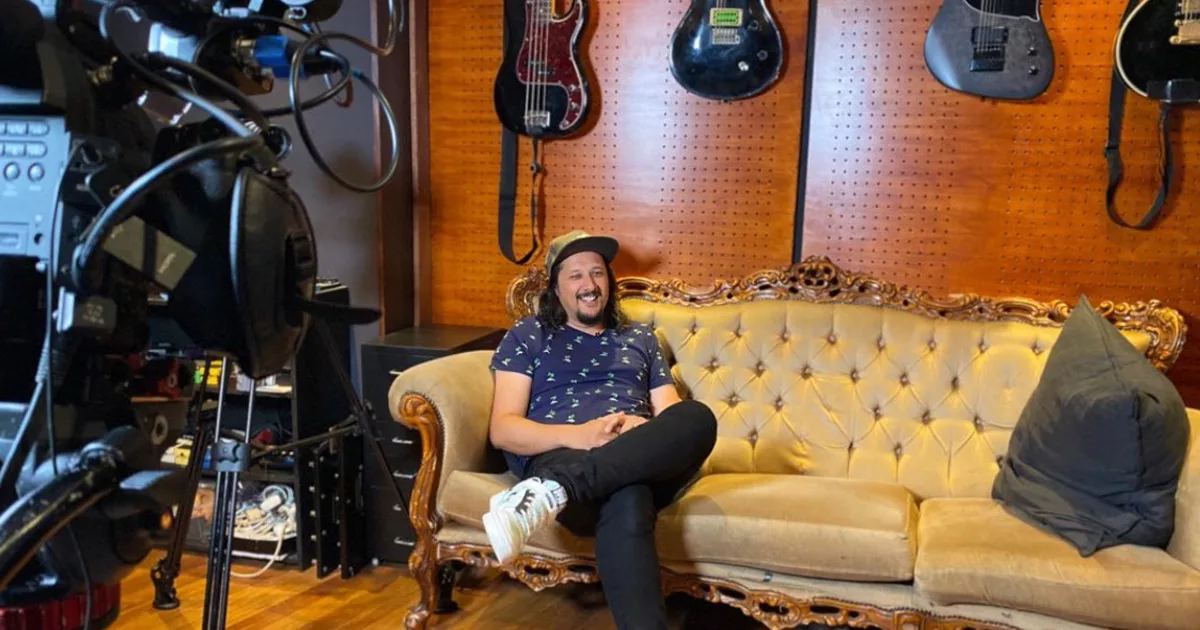
Once the story is clear, the rest of the process becomes much more straightforward. The focus shifts from trying to figure things out, to simply working through each stage in a structured way.
It starts with getting clear on what the video needs to do
This is where the direction is set: what the story is about, who it’s for, and what it needs to communicate. Without that clarity, everything else becomes harder to manage. With it, decisions are easier and the process stays on track.
From there, it’s about planning it properly
This doesn’t need to be complicated, but it does need to be clear. Who needs to be involved, what needs to be filmed, and how it all fits together. Taking the time to map this out early avoids confusion later on.
Filming is guided by the story
Rather than capturing everything and figuring it out afterwards, the filming is focused on what actually matters to the story.
That means working with real people, in real situations, and allowing things to unfold naturally while still keeping a clear direction in mind.
The story is shaped in the edit
This is where everything comes together.
The footage is structured into something that’s easy to follow, with a clear beginning, middle, and end. The focus is on making sure the story flows and the message is clear.
And finally, it’s delivered in a way that’s ready to use
The finished video needs to work in the context it’s intended for — whether that’s online, in presentations, or across different platforms.
That includes making sure it’s the right format, length, and structure for how it will actually be used.
What It’s Like to Work with a Documentary Filmmaker
The starting point isn’t a fully formed brief. There’s usually an idea of what needs to be communicated, but not always a clear picture of how that should come together as a video.
That’s a normal place to begin.
The process is guided from the outset
Early on, the focus is on working through that initial idea and shaping it into something clearer: what the story is about, what needs to come through, and most importantly, what can be left out. This usually happens when you’re working directly with a filmmaker.
Once that’s defined, everything else tends to fall into place more easily.
You’re not expected to have everything figured out
In most cases, the role of the organisation is to provide context like what the project involves, who’s part of it along with anything that needs to be communicated clearly.
How that turns into a structured video – the story, the approach, and how it’s put together – is worked through as part of the process.
The process is actively managed as it moves forward
There are a lot of moving parts in a video project – people, schedules, locations, and content. Rather than needing to manage that internally, each stage is guided and followed through so things don’t stall or drift off course.
The workload stays manageable
One of the main concerns going into a project like this is how much time and effort it will take.
Most of the work sits in the planning and production itself. From the organisation’s side, the involvement is usually limited to key inputs and feedback at the right stages.
Common Questions About Documentary Video Production
There are usually a few common questions that come up when planning a video like this.
How much does documentary video production cost?
It depends on the scope of the project: what needs to be filmed, how long it runs, and how complex the story is.
Projects that involve multiple locations, people, or filming days will naturally require more time than something more contained.
The easiest way to get clarity is to start with the story and what the video needs to do. From there, the scope and cost become much easier to define.
How long does the process take?
Timelines vary depending on the project, but most follow a similar flow (initial planning, filming, and editing).
Some projects move quickly, especially if the scope is well defined early on. Others take longer if they involve multiple stages or need to capture activity over time.
What usually makes the biggest difference is how clear the direction is at the start.
What if we don’t know what story to tell?
That’s a common starting point. In most cases, there’s already a sense of what needs to be communicated. It just hasn’t been shaped into a clear story yet.
Working through that is part of the process. Once the direction is clear, everything else becomes easier to manage.
How involved do we need to be?
Your role is mainly to provide context. Beyond that, involvement is usually focused on key points in the process, such as confirming direction early on and providing feedback during editing.
Most of the coordination and production is handled separately, so it doesn’t become an ongoing demand on your time.
What makes a documentary video effective?
Clarity is the main factor. A clear story, a defined focus, and a structure that’s easy to follow will always have more impact than something trying to cover too much at once.
From there, everything else – filming, editing, and presentation – supports that foundation.
How to Get Started with Documentary Video
Most projects start with a rough idea. Something that needs to be explained, shown, or shared more clearly.
From there, the first step is to work out what that idea actually is. Once that’s clear, the rest tends to follow.
The scope becomes easier to define. The approach starts to take shape. Decisions don’t feel as open-ended.
At that point, it’s less about “starting a video project” and more about working through something that already has direction.